Casino Permit Guide: What Every Operator Needs to Know Before Applying
Getting a casino permit isn't rocket science. But it's not exactly straightforward either.
After helping 50+ operators navigate the licensing maze, I've seen the same mistakes repeated. Underestimating costs. Missing documentation. Choosing the wrong jurisdiction because "everyone else went there." This guide cuts through the noise and gives you what you actually need: a clear roadmap from application to approval.
Let's start with what matters most - understanding what type of permit you actually need.
Types of Casino Permits: B2C vs B2B Licensing
Not all casino permits are created equal. The distinction between B2C and B2B licenses is critical, and confusing them costs operators months of wasted effort.
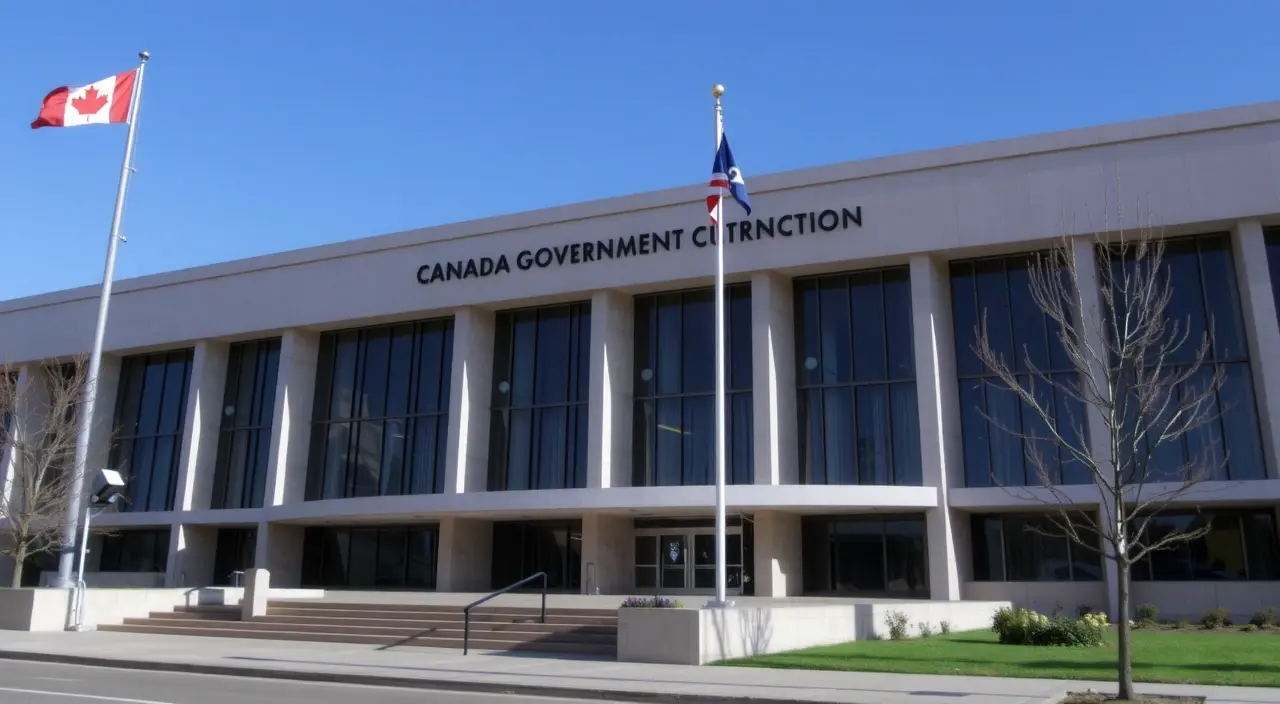
B2C (Business-to-Consumer) permits let you operate directly with players. This is what most people think of as a "casino license." You're running the platform, handling player funds, taking on regulatory compliance. Higher barriers to entry, but full control over your operation.
B2B (Business-to-Business) permits are for software providers, payment processors, and platform suppliers. You're not touching player money directly, but you still need authorization. Often faster to obtain, lower capital requirements, but limited to supplying services to licensed operators.
For US-focused operators, there's a third option worth considering: Native American gaming licensing resources offer unique advantages for North American market access. More on that below.
Core Casino Permit Requirements Across All Jurisdictions
Every licensing authority has its own quirks, but certain requirements are universal. Miss any of these, and your application goes nowhere.
Company Structure Documentation
- Certificate of incorporation - Must be apostilled or notarized
- Shareholder registry - Full beneficial ownership disclosure (25%+ stakes)
- Director bios - CV, police clearance, financial history for each board member
- Business plan - 3-year projections, market analysis, compliance framework
The casino permit application requirements vary by jurisdiction, but these four documents form the foundation everywhere.
Financial Proof Requirements
This is where most applications stall. Authorities want proof you can actually operate the business, not just start it.
- Bank statements - Typically 6-12 months of operational accounts
- Source of funds declaration - Where did your capital come from? Be specific.
- Minimum capital proof - Ranges from €50K (Curacao) to €2M+ (Malta)
- Financial forecasts - Revenue projections, player acquisition costs, compliance budget
Pro tip: Have your accountant prepare a dedicated report. Generic bank statements raise red flags.
Technical Compliance Standards
Your platform needs third-party certification before most authorities even look at your application.
- RNG certification - iTech Labs, GLI, eCOGRA, or BMM Testlabs
- Game fairness audits - For each game variant you plan to offer
- Data security compliance - ISO 27001 or equivalent
- Responsible gaming tools - Self-exclusion, deposit limits, reality checks
Budget 3-6 months and $15K-$40K for comprehensive testing. Non-negotiable.
Application Timeline: What to Actually Expect
Licensing authorities love to quote "6-8 weeks" timelines. Reality is messier.
"We were told 2 months for Curacao. Took 4.5 months because of a single missing apostille on a corporate document. Have everything ready before you submit." - Casino operator, 2023
Realistic Timelines by Jurisdiction
- Tobique First Nation: 30-45 days (actual, not theoretical)
- Curacao: 3-5 months (despite 8-week official timeline)
- Malta: 6-12 months (longer if you need clarifications)
- Isle of Man: 4-6 months (thorough vetting process)
- Costa Rica: 2-3 months (less stringent requirements)
For detailed comparison, check out our analysis on comparing Tobique and Malta gaming jurisdictions - the speed difference is substantial.
What Causes Delays?
Same issues, every single time:
- Incomplete documentation - One missing apostille holds everything up
- Source of funds questions - Vague answers trigger deeper investigation
- Key person issues - Director with undisclosed regulatory history
- Technical non-compliance - Platform doesn't meet jurisdiction standards
- Payment processing gaps - No confirmed banking relationships
The pattern is clear: preparation prevents delays. Rush the prep work, pay with time later.
Cost Breakdown: What You'll Actually Spend
Application fees are just the beginning. Here's the real cost structure:
Upfront Costs
- Application fee: $5K-$50K depending on jurisdiction
- Legal fees: $10K-$30K for documentation prep
- Technical audits: $15K-$40K for platform certification
- Background checks: $2K-$5K per key person
- Consulting fees: $5K-$20K if you hire specialists
Ongoing Costs
- Annual license renewal: $10K-$100K+
- Gaming tax: 0%-25% of GGR (varies wildly)
- Compliance officer salary: $60K-$120K annually
- Audit fees: $5K-$15K per year
- Regulatory reporting tools: $500-$2K monthly
Total first-year cost for a typical B2C operation: $150K-$400K depending on jurisdiction. Anyone quoting substantially less is either leaving out costs or steering you toward gray-zone options.
Choosing the Right Jurisdiction for Your Operation
This is where strategy matters more than budget.
Malta and UK give you tier-1 market access and brand credibility. But you'll pay premium prices and face strict ongoing compliance. Good for established operators targeting European markets.
Curacao and Costa Rica offer speed and lower costs. Trade-off: limited market access, less player trust, restricted payment processing. Fine for certain niches, problematic for mainstream operations.
First Nations jurisdictions like Tobique provide middle ground: legitimate licensing, North American market focus, reasonable costs, faster processing. The Tobique Gaming Commission regulatory framework offers surprisingly robust oversight without the bureaucratic nightmare.
Key decision factors:
- Target markets - where are your players?
- Budget reality - not just application, but annual costs
- Timeline pressure - can you wait 12 months or need to launch sooner?
- Brand positioning - does jurisdiction affect player perception?
- Payment processing - which jurisdictions do your PSPs accept?
Common Application Mistakes to Avoid
These kill more applications than you'd think:
Mistake #1: Applying before your platform is ready. You need technical certification before submission. No exceptions. Applying prematurely just wastes everyone's time and flags you as unprepared.
Mistake #2: Underestimating source of funds scrutiny. "Investment from friends and family" doesn't cut it anymore. Authorities want paper trails, tax returns, and legitimate wealth sources. Prepare detailed documentation upfront.
Mistake #3: Copying another operator's application. Each jurisdiction has specific requirements. Curacao wants different documentation than Malta. Using templates without customization screams "we didn't do our homework."
Mistake #4: Ignoring key person issues. If any director has regulatory history - even minor stuff from years ago - disclose it immediately. They'll find it anyway, and non-disclosure is worse than the original issue.
Mistake #5: No confirmed payment processing. You can't operate without payment rails. Have banking relationships confirmed before applying. "We'll figure it out later" is not a plan.
Next Steps: Getting Your Application Right
Here's what actually works:
Start with jurisdiction research. Not which is cheapest, but which fits your business model. Consider market access, costs, timeline, and ongoing compliance burden.
Audit your readiness. Company structure clean? Financials documented? Platform certified? Key persons cleared? If any answer is "not yet," fix it before applying.
Budget realistically. First-year costs are 2-3x the application fee. Plan for it. Running out of money mid-application is a disaster.
Get expert review. Not mandatory, but a specialist can catch issues before submission. Worth the $5K-$10K consultation fee to avoid 3-month delays.
Casino licensing isn't mysterious, but it is detail-intensive. Do the prep work properly, and you'll have your permit in hand while competitors are still gathering documents. Rush it, and you'll understand why some applications take twice as long as advertised.
The operators who get licensed fastest aren't the ones with the biggest budgets. They're the ones who showed up prepared.

Casino Permit Guide: What Every Operator Needs to Know Before Applying
Getting a casino permit isn't rocket science. But it's not exactly straightforward either.
After helping 50+ operators navigate the licensing maze, I've seen the same mistakes repeated. Underestimating costs. Missing documentation. Choosing the wrong jurisdiction because "everyone else went there." This guide cuts through the noise and gives you what you actually need: a clear roadmap from application to approval.
Let's start with what matters most - understanding what type of permit you actually need.
Types of Casino Permits: B2C vs B2B Licensing
Not all casino permits are created equal. The distinction between B2C and B2B licenses is critical, and confusing them costs operators months of wasted effort.
B2C (Business-to-Consumer) permits let you operate directly with players. This is what most people think of as a "casino license." You're running the platform, handling player funds, taking on regulatory compliance. Higher barriers to entry, but full control over your operation.
B2B (Business-to-Business) permits are for software providers, payment processors, and platform suppliers. You're not touching player money directly, but you still need authorization. Often faster to obtain, lower capital requirements, but limited to supplying services to licensed operators.
For US-focused operators, there's a third option worth considering: Native American gaming licensing resources offer unique advantages for North American market access. More on that below.
Core Casino Permit Requirements Across All Jurisdictions
Every licensing authority has its own quirks, but certain requirements are universal. Miss any of these, and your application goes nowhere.
Company Structure Documentation
The casino permit application requirements vary by jurisdiction, but these four documents form the foundation everywhere.
Financial Proof Requirements
This is where most applications stall. Authorities want proof you can actually operate the business, not just start it.
Pro tip: Have your accountant prepare a dedicated report. Generic bank statements raise red flags.
Technical Compliance Standards
Your platform needs third-party certification before most authorities even look at your application.
Budget 3-6 months and $15K-$40K for comprehensive testing. Non-negotiable.
Application Timeline: What to Actually Expect
Licensing authorities love to quote "6-8 weeks" timelines. Reality is messier.
Realistic Timelines by Jurisdiction
For detailed comparison, check out our analysis on comparing Tobique and Malta gaming jurisdictions - the speed difference is substantial.
What Causes Delays?
Same issues, every single time:
The pattern is clear: preparation prevents delays. Rush the prep work, pay with time later.
Cost Breakdown: What You'll Actually Spend
Application fees are just the beginning. Here's the real cost structure:
Upfront Costs
Ongoing Costs
Total first-year cost for a typical B2C operation: $150K-$400K depending on jurisdiction. Anyone quoting substantially less is either leaving out costs or steering you toward gray-zone options.
Choosing the Right Jurisdiction for Your Operation
This is where strategy matters more than budget.
Malta and UK give you tier-1 market access and brand credibility. But you'll pay premium prices and face strict ongoing compliance. Good for established operators targeting European markets.
Curacao and Costa Rica offer speed and lower costs. Trade-off: limited market access, less player trust, restricted payment processing. Fine for certain niches, problematic for mainstream operations.
First Nations jurisdictions like Tobique provide middle ground: legitimate licensing, North American market focus, reasonable costs, faster processing. The Tobique Gaming Commission regulatory framework offers surprisingly robust oversight without the bureaucratic nightmare.
Key decision factors:
Common Application Mistakes to Avoid
These kill more applications than you'd think:
Mistake #1: Applying before your platform is ready. You need technical certification before submission. No exceptions. Applying prematurely just wastes everyone's time and flags you as unprepared.
Mistake #2: Underestimating source of funds scrutiny. "Investment from friends and family" doesn't cut it anymore. Authorities want paper trails, tax returns, and legitimate wealth sources. Prepare detailed documentation upfront.
Mistake #3: Copying another operator's application. Each jurisdiction has specific requirements. Curacao wants different documentation than Malta. Using templates without customization screams "we didn't do our homework."
Mistake #4: Ignoring key person issues. If any director has regulatory history - even minor stuff from years ago - disclose it immediately. They'll find it anyway, and non-disclosure is worse than the original issue.
Mistake #5: No confirmed payment processing. You can't operate without payment rails. Have banking relationships confirmed before applying. "We'll figure it out later" is not a plan.
Next Steps: Getting Your Application Right
Here's what actually works:
Start with jurisdiction research. Not which is cheapest, but which fits your business model. Consider market access, costs, timeline, and ongoing compliance burden.
Audit your readiness. Company structure clean? Financials documented? Platform certified? Key persons cleared? If any answer is "not yet," fix it before applying.
Budget realistically. First-year costs are 2-3x the application fee. Plan for it. Running out of money mid-application is a disaster.
Get expert review. Not mandatory, but a specialist can catch issues before submission. Worth the $5K-$10K consultation fee to avoid 3-month delays.
Casino licensing isn't mysterious, but it is detail-intensive. Do the prep work properly, and you'll have your permit in hand while competitors are still gathering documents. Rush it, and you'll understand why some applications take twice as long as advertised.
The operators who get licensed fastest aren't the ones with the biggest budgets. They're the ones who showed up prepared.